When Do Babies Start Teething? What Every Parent Should Know

Your baby is drooling like a tiny fountain, chewing on every toy, and waking up cranky at night. Naturally, you start asking one big question: when do babies start teething?
The short answer is that most babies start teething around 6 months, but the range is wide. Some show signs as early as 3 months. Others do not get a first tooth until close to their first birthday. Both can be completely normal.
Here is the tricky part. Many things look like teething but are not. If you blame every fussy day on teething, you might miss a cold, an ear problem, or a fever that needs a doctor.
I have spent 5 years writing about health topics, and I always check my advice against trusted sources like the American Academy of Pediatrics. This guide keeps things simple and honest.
In this guide you will learn:
- The real age range for when babies start teething
- Whether babies can start teething at 3 months or as newborns
- The order baby teeth usually come in
- The signs that point to teething, and the signs that do not
- Safe ways to soothe your baby, and what to avoid
Let us start with the main question.
When Do Babies Start Teething? The Simple Answer
Most babies start teething between 4 and 7 months of age. The American Academy of Pediatrics says babies typically start teething by about 4 to 7 months old. The first tooth usually shows up sometime between 6 and 12 months.
Think of it like walking. Some babies walk at 9 months and some at 15 months. Teeth work the same way. Your baby has their own schedule.
What Age Do Babies Start Teething on Average?
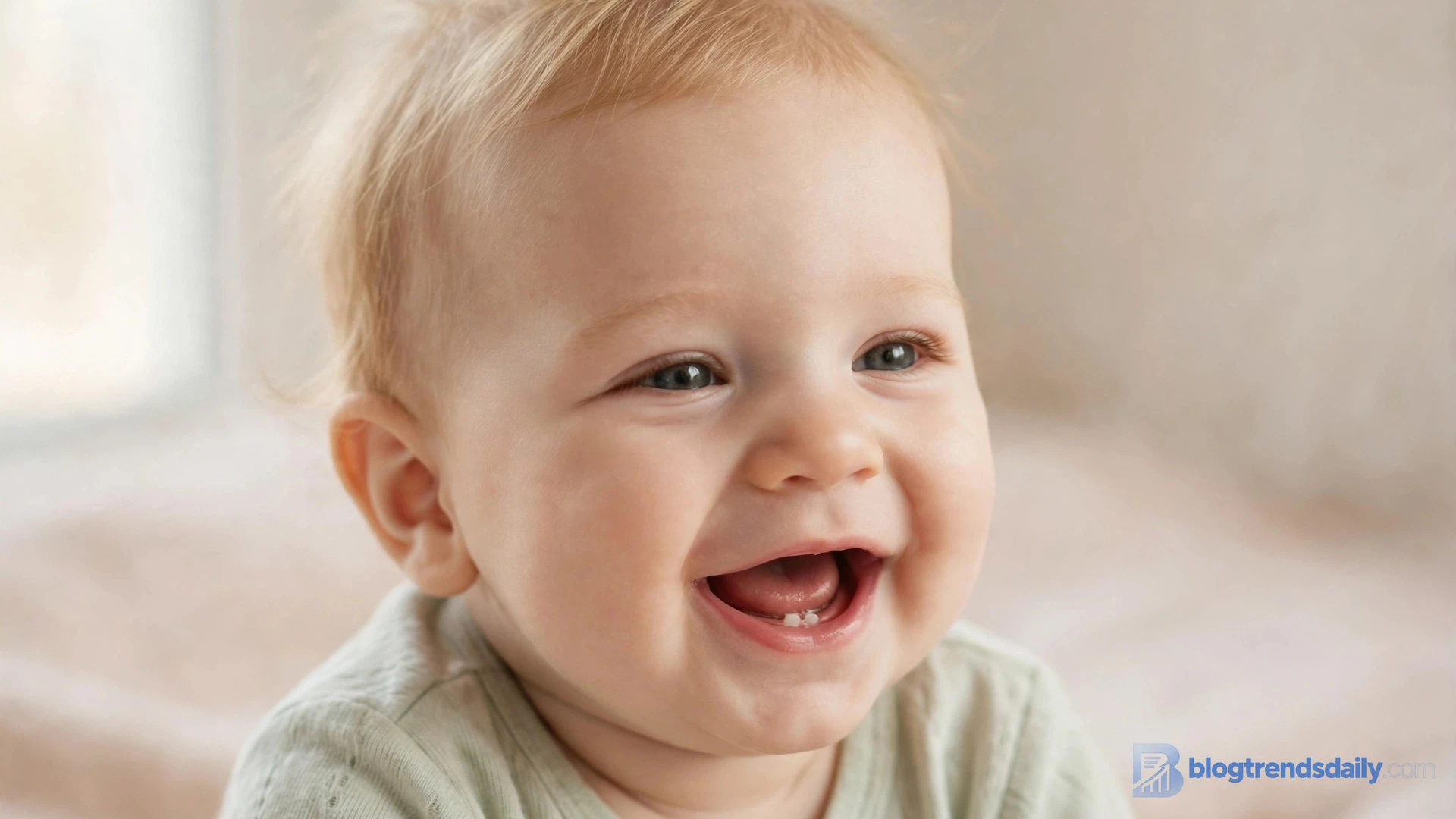
The average is around 6 months. That is when many parents spot the first tiny white edge of a tooth. It is usually one of the two bottom front teeth.
Babies are actually born with all 20 baby teeth already hidden inside the jaw. So teething is not a new tooth being made. It is the tooth moving up and pushing through the gum.
Back Teeth and Corner Teeth Come Later
 The first molars and the pointed canine teeth arrive in the second year. The last back teeth often come in around 2 to 3 years. By age 3, most children have all 20 baby teeth, according to the AAP.
Signs like extra drool and sore gums can appear days or even weeks before you see anything white. That is why you may feel like your baby has been teething forever without a single tooth to show for it.
How Early Can Babies Start Teething?
Some babies start teething as early as 2 or 3 months, though this is not common. Healthline notes that most babies begin around 6 months, but early and late starts both happen. So if you are asking how early do babies start teething, the honest answer is that a few do begin in the first 3 months.
What Age Do Newborns Start Teething?
Newborns do not usually start teething. In the first weeks of life, the gums are smooth and the baby is busy learning to feed and sleep. If your newborn is crying a lot, teething is very unlikely to be the reason. Look at feeding, gas, sleep, and comfort first.
Can Babies Start Teething at 3 Months?
Yes, it is possible, but it is more likely something else. Around 3 months, babies discover their hands and mouth. They drool more and chew on their fists. This is normal development, and it often has nothing to do with a tooth coming in.
A good rule is this. If your baby is 3 months old and drooling, relax. A tooth is probably still months away.
Babies Born With Teeth
Rarely, a baby is born with one or two teeth. If you notice this, mention it to your pediatrician at the next visit. They will check that the tooth is firm and safe for feeding.
How Old Do Babies Start Teething? Early, Typical, and Late
Teething age is not a test your baby can pass or fail. It is a range. Here is how to think about it.
Early Teethers
Babies who start teething at 3 or 4 months are early teethers. They might get their first tooth before 5 months. Early teething is usually harmless.
Typical Teethers
Most babies fall here. The first tooth shows between 6 and 12 months, and the AAP confirms this wide window. If your baby is at 7 or 8 months with no tooth, there is no need to panic.
Late Teethers
Some babies get their first tooth near or after their first birthday. If your baby is 12 months old and still has no teeth, bring it up with your pediatrician. They can check and tell you if anything needs a closer look.
Why Does Timing Differ So Much?
Genes play a big part. If you or your partner got teeth early or late, your baby may follow the same pattern. Health line also notes that the timing may run in families. Nutrition and overall health can also play a small role.
The Teething Timeline Method
 To keep things simple, I use a method called The Teething Timeline Method. It has 5 easy steps.
- Watch (around 3 months): Your baby starts mouthing hands and toys. Drooling begins. Just observe.
- Notice (around 4 to 7 months): Gums may look a little swollen. Chewing and fussiness increase.
- Soothe: Use safe comfort tricks like a gentle gum rub or a chilled teething ring.
- Spot the tooth: A small white edge appears, often on the bottom front.
- Care: Start cleaning the tooth right away, and plan a dental visit.
This method helps you stay calm. You always know which stage you are in and what to do next.
When Do Babies Start Getting Teeth? The Order They Come In
Once the first tooth arrives, more follow in a fairly steady pattern. You can read the full guide in our baby teeth chart article, but here is the simple version.
The Bottom Front Teeth Come First
The first two teeth are usually the lower central incisors. These are the two small teeth at the bottom center. Many babies get them between 6 and 10 months.
Upper Front and Side Teeth Follow
Next, the top front teeth come in, then the teeth beside them. This often happens between 8 and 16 months. Your baby may suddenly look like a tiny rabbit, and it is adorable.
Back Teeth and Corner Teeth Come Later

The first molars and the pointed canine teeth arrive in the second year. The last back teeth often come in around 2 to 3 years. By age 3, most children have all 20 baby teeth, according to the AAP.
Parents also search for a milk teeth schedule, and it follows this same order. If you want exact ages for each tooth, our milk teeth schedule guide inside the chart article walks you through it.
Signs Your Baby Is Teething (and Signs It Is Not)
Knowing the real signs saves you stress. It also helps you spot when something else is going on.
Common Signs of Teething
The AAP lists these as the usual signs:
- More drool than normal
- Chewing on toys, fingers, and almost anything
- Fussiness because the gums feel sore
- A mild rash on the chin or around the mouth, caused by drool
Some breastfed babies also feed more often, or latch a bit differently, because the pressure feels good on sore gums.
Normal Baby Gums vs Teething Gums
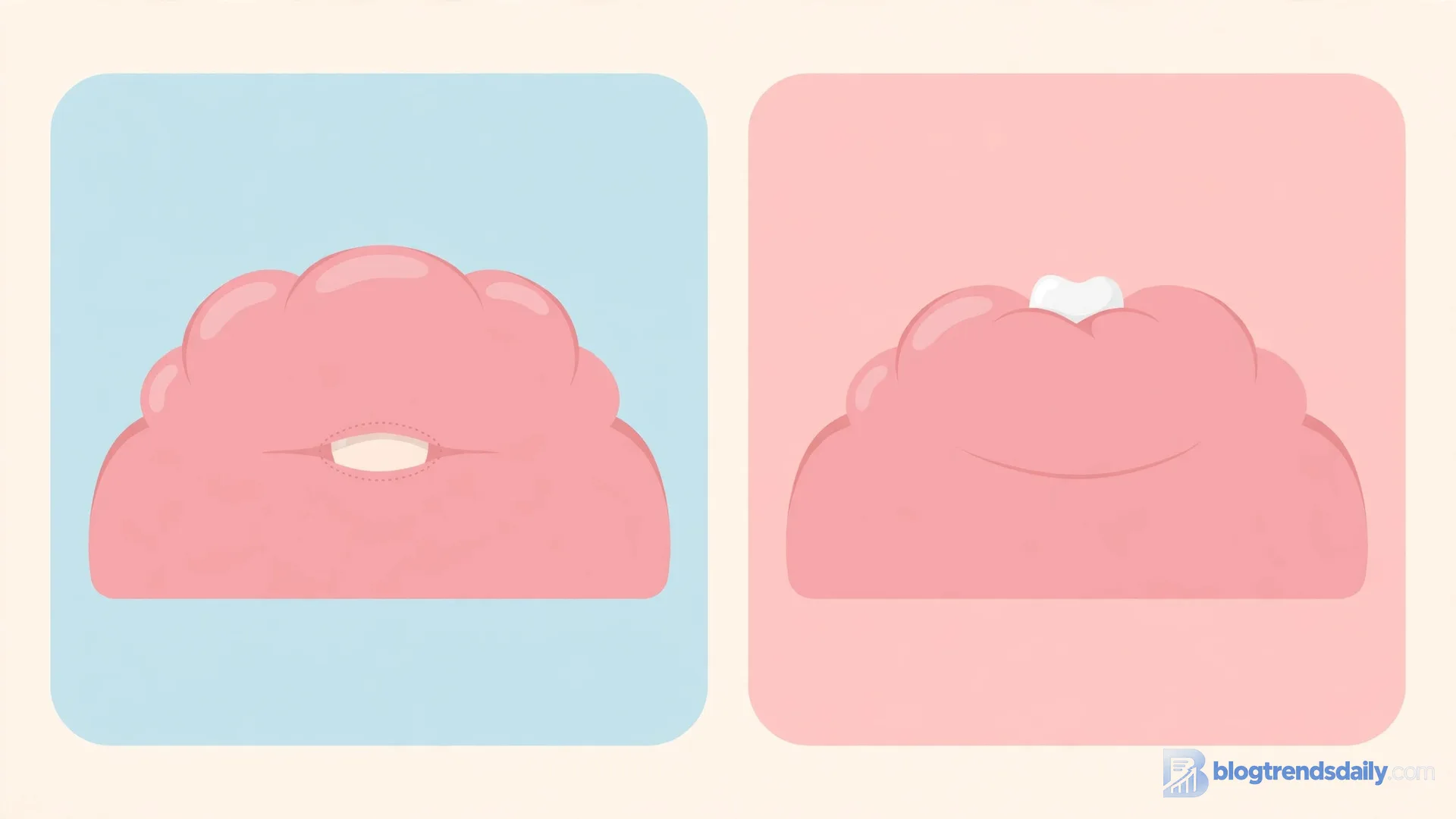
Healthy gums look smooth and pink. Teething gums can look a little red, puffy, or shiny where the tooth is coming. You may also see a small white bump under the surface.
Our guide on normal baby gums vs teething gums shows what each looks like and what to do if something looks off.
The Gum Check Routine: Once a day, wash your hands and gently lift your baby’s lip. Look for swelling or redness. Look for white spots. Keep it short and calm. This simple habit helps you notice changes early.
Can Teething Cause Fever?
 This is the question parents ask most. The AAP says that fever is not a true sign of teething. Studies they reviewed found no link between teething and real fever.
That does not mean your baby never runs warm. A baby might feel a little warm and cranky. But a rectal temperature of 100.4°F (38°C) or higher, vomiting, or diarrhea is not usually teething. Call your pediatrician if you see these.
Read more in our full guide: can teething cause fever.
How to Soothe a Teething Baby Safely
 Teething can be rough on babies and parents. The good news is that simple home comfort often works well.
5 Simple Steps to Comfort Your Baby
- Wash your hands first. Always start with clean hands.
- Try a gentle gum rub. Use a clean finger pad or knuckle to press softly on the sore spot. The AAP suggests this as a safe option.
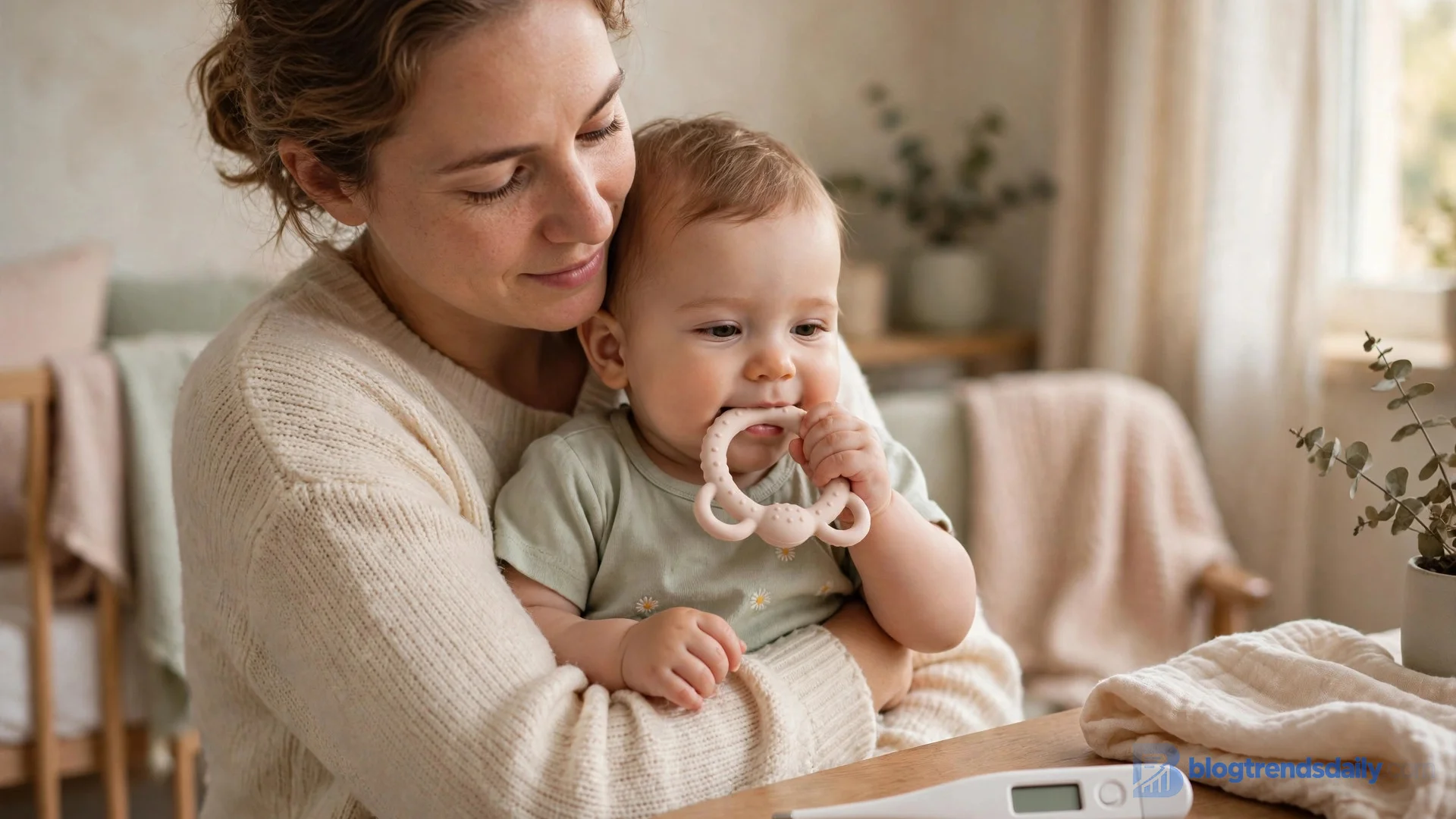
- Offer something cool. A cold, wet washcloth or a chilled teething ring can feel great. Do not freeze it solid, because a rock hard ring can hurt the gums.
- Wipe the drool. Keep the chin dry to stop rashes. A soft cloth does the job.
- Stay close. Extra cuddles help more than you think.
If your baby seems to be in real pain, talk to your pediatrician before giving any medicine. Do not give aspirin to a baby.
Pro Tip: Keep two teething rings in the fridge, not the freezer. While one is in use, the other is getting cool. It saves you from searching in a panic at 2 a.m.
What to Avoid
 Some products sold for teething are not safe. The AAP advises against these:
- Teething gels with numbing medicine such as benzocaine
- Teething tablets and homeopathic gels
- Amber teething necklaces, which can cause choking or strangulation
Numbing gels also wash away fast with drool, so they do not help much anyway.
Caring for the First Tooth
 As soon as the first tooth shows, it needs care. Baby teeth hold space for adult teeth and help your child eat and speak.
Brush twice a day with a soft baby toothbrush. Use a smear of fluoride toothpaste, about the size of a grain of rice. When your child turns 3, you can switch to a pea sized amount.
Try to book your baby’s first dental visit after the first tooth appears, and no later than their first birthday. The AAP says early dental visits help prevent problems.
Common Mistakes Parents Make About Teething
Let me share a simple example. A mom notices her 5 month old is drooling, cranky, and has a warm forehead. She decides it must be teething and waits. Two days later the baby has a high temperature and a cough. It turned out to be a cold, not teething.
This happens all the time. Here are the mistakes to avoid:
- Blaming teething for everything. Fever, diarrhea, and vomiting are not teething signs.
- Using numbing gels. They are not safe for babies.
- Freezing teething rings solid. Chilled is better.
- Panicking about a late first tooth. Wide timing is normal.
- Skipping the dentist. The first visit should happen by age one.
When in doubt, call your pediatrician. You know your baby best, and your instinct counts.
Frequently Asked Questions
When do babies start teething?
Most babies start teething around 6 months, though the range is 4 to 7 months for the first signs. The first tooth may appear anywhere from 6 to 12 months. Some babies are earlier and some later, and both can be healthy.
How early can babies start teething?
Some babies show teething signs as early as 2 or 3 months, but this is not common. At that age, drooling and chewing are often just normal development. A real tooth usually takes longer to show.
What age do newborns start teething?
Newborns do not usually start teething. Teething signs normally begin months after birth. A very small number of babies are born with a tooth, and your pediatrician should check it.
Can babies start teething at 3 months?
Yes, a few can, but it is more likely your baby is just exploring with their mouth. Drool and fist chewing are common at 3 months. A tooth usually comes later.
How old do babies start teething on average?
The average is about 6 months. Teething signs often begin between 4 and 7 months. The first tooth is often one of the bottom front teeth.
When do babies start getting teeth?
Most babies start getting teeth between 6 and 12 months. After the first tooth, more come in every few months. By around age 3, most children have all 20 baby teeth.
What age do babies get teeth fully?
Most children finish getting their baby teeth by about age 3. Some finish a little earlier, around 2 years. See our baby teeth chart for the full order.
Can teething cause fever?
No, fever is not a true teething sign according to the AAP. A mild bump in warmth can happen, but a temperature of 100.4°F (38°C) or higher needs a call to your pediatrician. Learn more in our guide on teething and fever.
When should I worry if my baby has no teeth?
Talk to your pediatrician if your baby has no teeth by 12 months. Most late teethers are healthy, but a quick check gives you peace of mind. They may suggest a pediatric dentist.
What is safe to give a teething baby?
A clean finger for a gum rub, a cold washcloth, or a chilled teething ring are safe choices. Avoid numbing gels, teething tablets, and amber necklaces. Ask your pediatrician before giving any pain medicine.
Conclusion
So, when do babies start teething? Most start around 6 months, but anywhere from 3 months to 12 months can be normal. Every baby has their own timing, so try not to compare.
Three things matter most. First, teething causes mild discomfort, not real illness. Second, fever and vomiting are not teething signs, so call your doctor if you see them. Third, keep soothing simple and safe, and start caring for the first tooth right away.
If you want to keep learning, explore our baby teeth chart next.
Next steps:
- Do a quick Gum Check each day for a week
- Save the safe soothing steps for late night moments
- Read about normal baby gums vs teething gums to know what you are seeing
This article is for general information and is not medical advice. Always talk to your pediatrician about your baby’s health.

Daniel Whitmore is the founder and main writer of blogtrendsdaily.com. With five years of experience writing and publishing online content, Daniel started the blog to give readers clear, honest and easy to follow guides on education, careers, health, technology, travel, fashion, beauty and fitness, automotive and trending topics.


3 comments