How to Become a Special Education Teacher: The Complete Guide For 2026

Walk into any classroom in America, and you will see students who learn in completely different ways. Around 7.6 million students in public schools, about 15% of enrollment, receive services under the Individuals with Disabilities Education Act (IDEA), and another 1.9 million are served under Section 504. Together, that is nearly 1 in 5 public school students (U.S. Department of Education, Office for Civil Rights, 2023-24). Every student has a teacher who intentionally chose to learn an extremely specific skill. If you’re wondering how to become a special education teacher, you’re asking one of the most impactful questions in the education sector.
However, you may find it a bit confusing. Each state will have different requirements, different degrees and lots of acronyms in your certification. One small mistake could mean losing a semester (or even a whole year!).
This guide will help you by telling you everything you need to know about how to become a special education teacher. We’ll talk about the level of education you need, the certification process, the skills you should have, what you can expect to earn and where this career can take you.
What Does It Mean to Be a Special Education Teacher?

A special education teacher is a licensed educator who designs and delivers instruction for students with disabilities. These students may have learning disabilities, autism, emotional or behavioural needs, intellectual disabilities, speech and language impairments, or physical and sensory challenges.
In plain terms, you are the person who figures out how a student learns best and then builds the bridge to get them there.
The Daily Work of the Role
No two days look identical, but most special education teachers share the same core responsibilities.
- Writing and updating Individualized Education Programs (IEPs), the legal documents that set goals and services for each student
- Adapting lessons in reading, math and life skills so students can access the curriculum
- Tracking progress with data and reporting it to families and school teams
- Collaborating with general education teachers, therapists, counselors and aides
- Supporting students’ behavior, communication and independence
Where Special Education Teachers Work
Most work in public schools, either in self contained classrooms or in inclusion settings where they support students inside general education classes. Others teach in private schools, specialized treatment centers, hospitals, juvenile programs, early intervention agencies and home based services.
Why the Work Matters Right Now
Schools across the country report persistent shortages of qualified special education teachers, and the U.S. Department of Education has listed special education among the most common teacher shortage areas for many years. That demand means newly certified teachers often find multiple job offers, along with loan forgiveness programs that target high need subjects.
Education Required for a Special Education Teacher
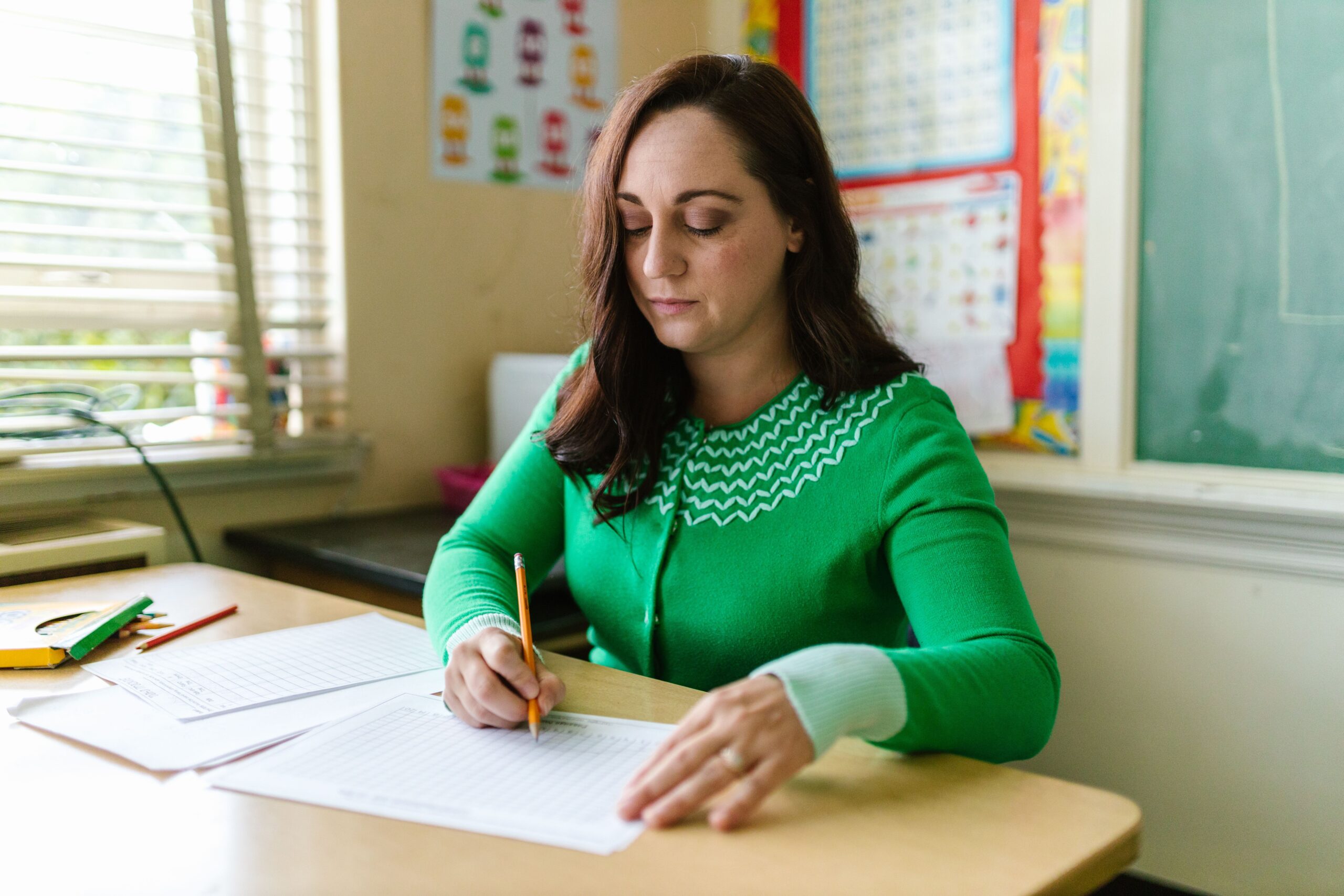
If you are searching for the education required for a special education teacher, the short answer is a bachelor’s degree, a teacher preparation program, supervised classroom experience and a state license. The details depend on where you plan to teach.
The Bachelor’s Degree
Nearly every state requires at least a bachelor’s degree. You have two common routes.
- A degree in special education. This is the most direct route. Coursework covers disability categories, behavior support, assessment, assistive technology and legal requirements. Student teaching is built into the program.
- A degree in another subject plus teacher preparation. Many people study psychology, English, child development or general education first, then complete a certification program afterward.
A few states also expect you to hold a degree in a specific teaching area or to pass a content exam in addition to the special education tests.
The Master’s Degree Option
Many states, including New York, require teachers to obtain their master’s degree after a certain number of years from their original certification. Most districts will give a pay raise if you have obtained your masters and give access to leadership positions. Many courses can be done whilst working and take around 2 years.
Student Teaching and Field Experience
All approved programs will require a practicum. This is often called student teaching or clinical placement. You’ll be working alongside an experienced mentor for one, and sometimes two semesters. This is a great opportunity to put your theory into practice. The principals that will be hiring you will be closely observing your performance.
How Can I Become a Special Education Teacher? A Step by Step Process

If you have been asking yourself, “how can I become a special education teacher,” use this process. We call it The 5 Step Classroom Ready Roadmap, and it keeps the journey organized no matter which state you live in.
Step 1: Confirm Your State’s Rules
Teacher licensing is controlled by each state. Visit your state department of education website and search for special education certification requirements. Note which exams, grade levels and endorsements are required, because they shape every choice that follows.
Step 2: Earn Your Degree
Choose either a bachelor’s degree in special education or a bachelor’s degree in another field that you will pair with a certification program. Look for programs accredited by the Council for the Accreditation of Educator Preparation (CAEP) and approved by your state.
Step 3: Complete a Teacher Preparation Program
This program supplies the pedagogy, the classroom hours and the recommendation you need for licensure. Ask each program about job placement, mentor quality and how many graduates pass the state exams on the first attempt.
Step 4: Pass Your Exams and Apply for a License
Most states use the Praxis series or a state specific exam. Study the test framework, take practice tests and schedule your exam early enough to retake it if needed. Then submit your application, transcripts, scores and background check.
Step 5: Land Your First Job and Keep Growing
Begin applying for jobs. Create your application materials including examples of lesson plans, sample IEP goals (you can anonymise these), and a brief reflection on your classroom management strategy. Once employed by a district, get into their induction/mentoring program, and plan what extra endorsements you want.
Pro Tip: Check with your state agency if they offer an emergency/provisional license. Many districts will employ you on the spot, while you complete your final requirements, meaning you will be earning a salary.
What Do You Need to Be a Special Education Teacher?

People often ask, “what do you need to be a special education teacher?” Credentials open the door, but qualities and skills decide whether you thrive in the room. Here is what experienced principals say they want to see.
Core Personal Qualities
- Patience that lasts. Progress can be gradual. You will celebrate small wins and keep going on hard days.
- Empathy with boundaries. You care deeply about students and families while protecting your own energy.
- Flexibility. Plans change. A lesson may need to be rebuilt in the middle of a class period.
- Strong communication. You will explain complex ideas to parents, administrators and young learners.
- Resilience. The work is emotionally demanding, and the best teachers learn how to recover.
Professional Skills Schools Look For
- Writing measurable IEP goals and understanding special education law
- Using data to adjust teaching quickly
- Positive behavior support and de-escalation strategies
- Comfort with assistive technology and communication tools
- Differentiating instruction for students at very different levels
- Working as part of a team with aides, therapists and families
Special Education Certification Explained
Special education certification is the license that lets you teach students with disabilities in public schools. Each state sets its own rules, so check your state education department first. Most states ask for a bachelor’s degree, a teacher preparation program, supervised student teaching, and passing exam scores.
You can also choose an area, such as mild to moderate disabilities or early childhood. This choice decides which students you can serve. If you already have a degree in another subject, alternative routes let you teach while you finish your courses. Remember to renew your license every few years.
Types of Certification and Endorsements
States label these differently, but you will usually see categories such as:
- Mild to moderate disabilities, which covers learning disabilities, high functioning autism and similar needs
- Severe or significant disabilities, which covers students needing extensive supports
- Early childhood special education, usually birth through age 8
- Specialty endorsements such as visual impairment, hearing impairment or autism
Picking the right category matters because it controls which students you can legally serve.
Traditional Versus Alternative Routes
The traditional route is a degree plus a preparation program. The alternative certification route serves career changers who already hold a bachelor’s degree. These programs let you teach while you complete coursework, usually over one to two years. Examples include state sponsored programs, district partnerships and nonprofit options such as Teach for America in participating regions.
Reciprocity When You Move
Most states honor licenses from other states through reciprocity agreements, such as the NASDTEC Interstate Agreement, but you may still need extra exams or coursework. Check before you relocate.
Renewal and Continuing Education
Licenses must be renewed, commonly every three to five years. Expect to complete professional development hours. Many teachers use renewal time to add a second endorsement.
Online Special Education Degree: Is It Worth It?

An online special education degree can be a smart choice if you work or care for a family. You study on your own schedule and can join programs outside your city. Before you enroll, make sure the school is accredited and approved by your state for licensure. Ask how the program arranges student teaching near your home, because every state requires in-person classroom hours. Also check the full cost, including fees and books. Schools care most about accreditation, your classroom performance, and your exam results, not whether your classes were online.
An online special education degree can be a strong choice, especially for working adults and parents. Quality, however, varies widely, so the details matter.
Benefits of Studying Online
- Flexible schedules that fit around jobs and families
- Access to specialised programs that are not offered near you
- Often lower total cost, since you save on commuting and housing
- A growing number of programs designed for career changers
Questions to Ask Before You Enroll
- Is the program regionally accredited and approved by my state for license?
- How are student teaching placements arranged near my home?
- What are the first time pass rates on required exams?
- Will I meet instructors and classmates in live sessions?
- What is the full cost after fees and books?
The Part You Cannot Do Online
All states require some in-person class time. A quality online program will provide a local placement or assist you in finding one of their own. Be wary if they claim you don’t need to do any student teaching.
Pro Tip: Before paying any deposit, call your state licensing office and make sure that you know that this particular program is on their approved list. This one call will prevent you from making the most expensive mistake of all.
Careers in Special Education and Salary Outlook
Careers in special education go far beyond the classroom. Many teachers start as resource room or self-contained teachers, then move into new roles as their interests grow. You could become an early intervention specialist, transition specialist for older students preparing for work or an instructional coach. Others become educational diagnosticians, school administrators or behaviour consultants. Some take roles in hospitals, clinics and non-profit organisations. Having extra endorsements and a master’s can help you to gain a wider range of opportunities and will often increase your salary. Due to the different options available, you will have the opportunity to change direction.
Popular Career Paths
- Resource room or inclusion teacher. Supports students inside or beside general classes.
- Self contained classroom teacher. Teaches students who need intensive support all day.
- Early intervention specialist. Works with infants and toddlers and their families.
- Transition coordinator. Prepares older students for work, college and independent living.
- Instructional coach or department lead. Mentors other teachers.
- Educational diagnostician. Conducts assessments to determine eligibility for services.
- School administrator or special education director. Leads programs at the school or district level.
- Behaviour analyst or consultant. Often requires additional certification such as the BCBA credential.
What Special Education Teachers Earn
According to the U.S. Bureau of Labor Statistics, the median annual wage for special education teachers was $67,170 (BLS, 2025). Pay depends on your state, district, degree level and years of experience. Many districts add stipends for hard to fill roles, extra endorsements or work with students who have significant needs.
Job Outlook
Because of retirements, turnover and rising identification of student needs, demand for qualified teachers remains steady, particularly in rural areas, urban districts and for roles serving students with significant disabilities. The Bureau of Labor Statistics projects about 37,100 openings a year, mostly from retirements and turnover (BLS, 2025).
Financial Help for New Teachers

- The federal TEACH Grant, which supports students who commit to teaching in high need fields
- Public Service Loan Forgiveness for qualifying public school employment
- Teacher Loan Forgiveness, which can cancel part of your federal loans after five years in a low income school
- State and district scholarships, sign on bonuses and tuition reimbursement
Common Mistakes to Avoid
Most delays come from avoidable errors. Watch for these.
- Choosing a program before checking state approval. A degree that does not lead to license in your state is an expensive detour.
- Ignoring exam preparation. Many candidates underestimate the content exams and need to retake them.
- Skipping classroom exposure. Substituting or volunteering first helps you confirm the work fits you.
- Choosing the wrong endorsement. A mismatch can limit your job options.
- Underestimating paperwork. IEP compliance is a large part of the job, so build documentation habits early.
- Going it alone. Teachers who find mentors in year one stay in the profession longer.
Expert Tips for New Special Education Teachers
Once you have your license, these habits set strong teachers apart.
- Build relationships first. Learn each student’s strengths, interests and triggers before pushing academics.
- Keep simple data systems. A quick tally sheet that you actually use beats a perfect spreadsheet that you avoid.
- Communicate with families early and often. A positive call in September makes difficult conversations easier in March.
- Protect your time. Block planning periods for paperwork so evenings stay yours.
- Learn from related professionals. Speech therapists, occupational therapists and school psychologists are free education.
- Document everything. Clear records protect students, families and you.
Real World Examples and Case Studies
Case Study 1: The Career Changer
Maria has worked in retail management for eight years. She was also a volunteer at a community centre for children with autism. Maria has completed an alternative certification program. She has a paid teaching provisional role where she completed her course work over 2 years. Maria now manages a middle school resource classroom. Maria has had prior management experience allowing her to manage time efficiently, lead teams and make decisions confidently.
Case Study 2: The Teacher Adding an Endorsement
Daniel was a fifth-grade general education teacher who noticed many of his students had trouble reading. While working, he completed a part-time, online Masters in Special Education. He was awarded a pay rise by his district for gaining a new qualification. This transitioned him into becoming an Intervention Specialist.
These are composite examples. Everyone will experience different results depending on their State and District.
If you have a bachelor’s degree and looking to get paid quickly then you will usually find alternative certification is the quickest option. If you’re starting your college journey then getting a bachelor’s in Special Education will be the cleanest route. Prices will vary between institutions. You should check current prices with each course.
Frequently Asked Questions
How to become a special education teacher?
You become a special education teacher by earning a bachelor’s degree, completing a state approved teacher preparation program with student teaching, passing required exams and applying for a state license. Each state sets its own rules, so start with your state department of education. Career changers can often use alternative certification to begin teaching sooner.
How long does it take to become a special education teacher?
Most people need about four to five years. That includes a four year bachelor’s degree and a student teaching placement. People who already have a degree may become special education teachers in one to two years through other teaching programs. Some can also start teaching with a temporary license while completing their studies.
What education is required for a special education teacher?
A bachelor’s degree is the minimum in nearly every state, along with a state approved preparation program and supervised student teaching. Some states also require a master’s degree after you begin teaching. Always confirm details with the licensing agency where you plan to work.
How can I become a special education teacher without a teaching degree?
Yes, you can, if you already hold a bachelor’s degree in any subject. These programs help people who already have a degree get the training they need to become teachers. You complete coursework and classroom training, pass your state exams and receive a license without repeating a four year degree.
What do you need to be a special education teacher besides a degree?
You need a state license, a clean background check, strong patience, clear communication and comfort with data and legal paperwork such as IEPs. Experience working with children with disabilities strengthens your application and helps you decide whether the role fits you.
Is special education certification the same in every state?
No, requirements differ by state. Exams, grade bands, endorsement names and renewal cycles vary. Many states offer reciprocity for out-of-state teachers, but you may need extra tests or coursework, so check the destination state’s rules before moving.
Is an online special education degree respected by schools?
Yes, when it comes from an accredited university and meets your state’s license requirements. Hiring teams care about accreditation, your student teaching performance and your exam results. They rarely care whether coursework was delivered online or on campus.
How much do special education teachers make?
The median annual wage for special education teachers was $67,170, according to the U.S. Bureau of Labor Statistics (BLS, 2025). Salaries vary depending on the state and district you teach in. You can get extra income via having additional endorsements, advanced degrees and stipends for special needs roles.
What are the best careers in special education?
Popular options include inclusion teacher, self contained classroom teacher, early intervention specialist, transition coordinator, educational diagnostician, instructional coach and special education director. The best fit depends on the age group you enjoy and whether you prefer teaching, assessment or leadership.
Can a special education teacher work outside of schools?
Yes. Many work in hospitals, therapy clinics, early intervention agencies, nonprofits, tutoring companies and government programs. Some become consultants, curriculum writers or advocates who help families navigate the school system.
Conclusion and Next Steps
Learning how to become a special education teacher comes down to three things. First, follow your state’s rules from day one. Second, choose a certification pathway that fits your life, whether that is a bachelor’s degree, an alternative program or an online special education degree. Third, build real classroom experience early so you know the work suits you.
The journey takes effort, but few careers offer the same combination of purpose, demand and variety. Thousands of students are waiting for a teacher who understands how they learn.
Your next steps:
- Visit your state department of education website and read the special education certification requirements this week.
- Spend a few hours volunteering, substituting or shadowing a special education classroom this month.
- Shortlist two or three approved programs and request information from each before the end of the season.
Ready to take the first step? Explore our certification checklist and start your application plan today.

Daniel Whitmore is the founder and main writer of blogtrendsdaily.com. With five years of experience writing and publishing online content, Daniel started the blog to give readers clear, honest and easy to follow guides on education, careers, health, technology, travel, fashion, beauty and fitness, automotive and trending topics.


3 comments